Off-Grid Pressure Cooking: Safe Emergency Meals Without Power
By Samira Haddad • 4th Dec
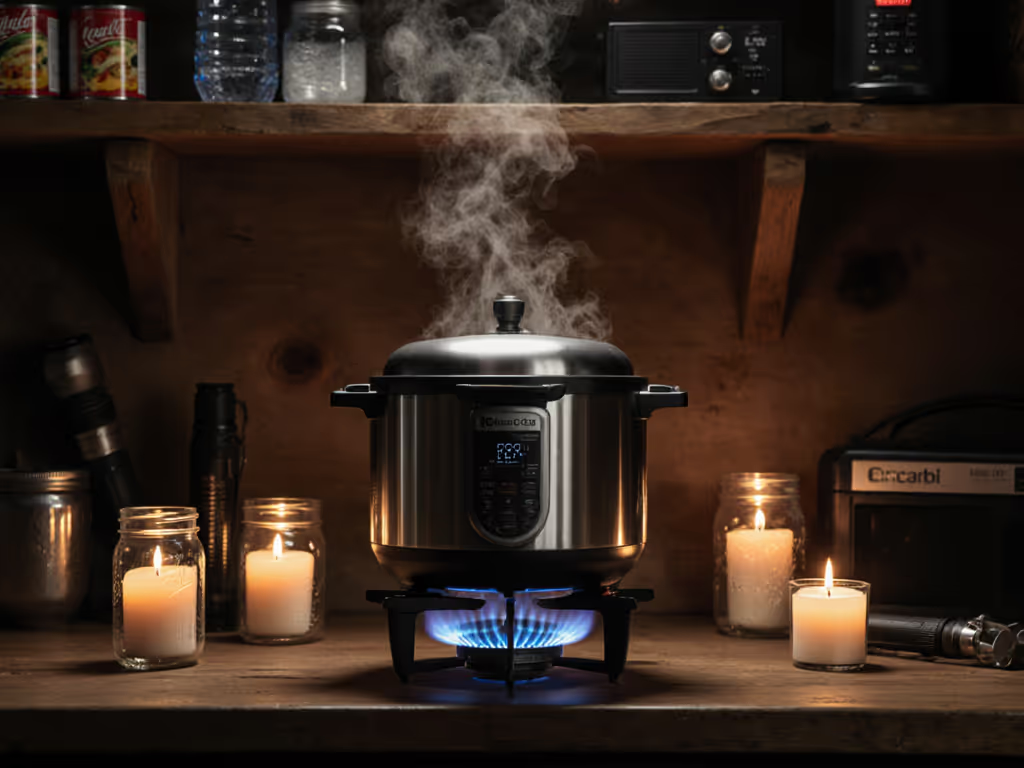
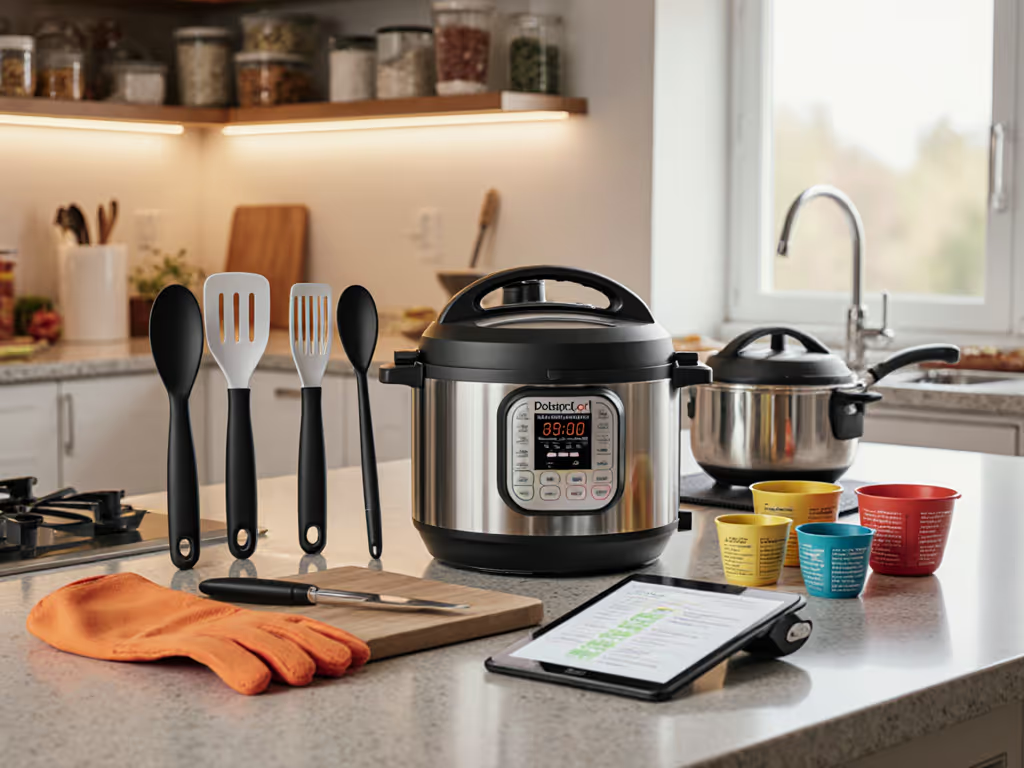
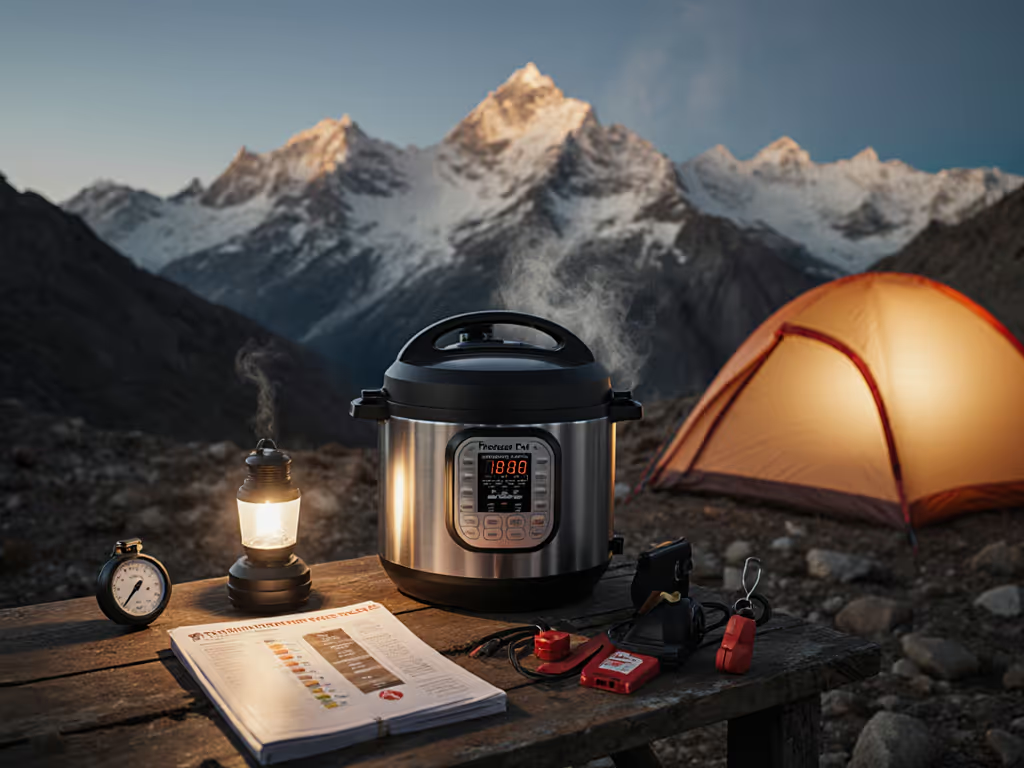
When power fails during storms, blackouts, or natural disasters, off-grid pressure cooking becomes your most reliable lifeline for hot, safe meals. Unlike conventional methods requiring electricity or extensive fuel, emergency pressure cooking transforms limited resources into nourishing food faster, while using less fuel and preserving nutrients. But without grid power, safety protocols shift dramatically. This isn't improvisation; it's disciplined routine. Safety is built from habits, not hope, especially when your camp stove is your only kitchen.
Safety is a sequence you practice, not a warning sticker.
Why Pressure Cooking Matters in Emergencies
In disaster zones, fuel scarcity and time pressure magnify risks. Pressure cookers reduce cooking time by 70% compared to boiling, which is critical when firewood or propane is limited. They also make undercooked beans or tough cuts edible without hours of simmering, turning emergency food storage staples like dried lentils or rice into safe, digestible meals. Yet off-grid cooking introduces unique hazards: unstable heat sources, altitude changes, and zero margin for error when help is hours away.
The Critical Safety Shift: No Power, No Margin for Error
At home, electric pressure cookers auto-regulate pressure. Off-grid, you're manually managing a volatile system with a camp stove or fire. A single mistake (like ignoring liquid minimums or forcing quick release) can trigger steam burns or explosions. I've seen it: a neighbor once scorched chickpeas not from recklessness, but a sticky valve she didn't check. Her near-miss became a two-minute pre-flight ritual that stopped drama cold.
Your Emergency Pressure Cooking Safety Checklist (FAQ Deep Dive)
What's the #1 mistake people make with off-grid pressure cooking?
Skipping the pre-flight safety check. Off-grid means no reset button or error alerts. Before adding a single grain of rice:
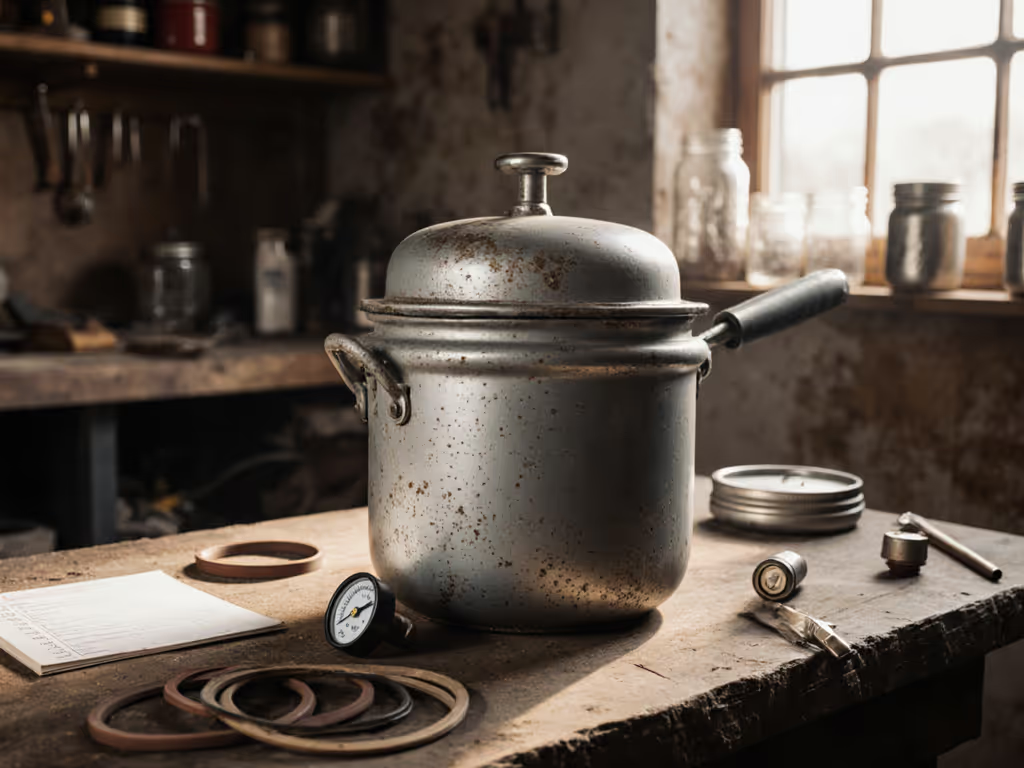
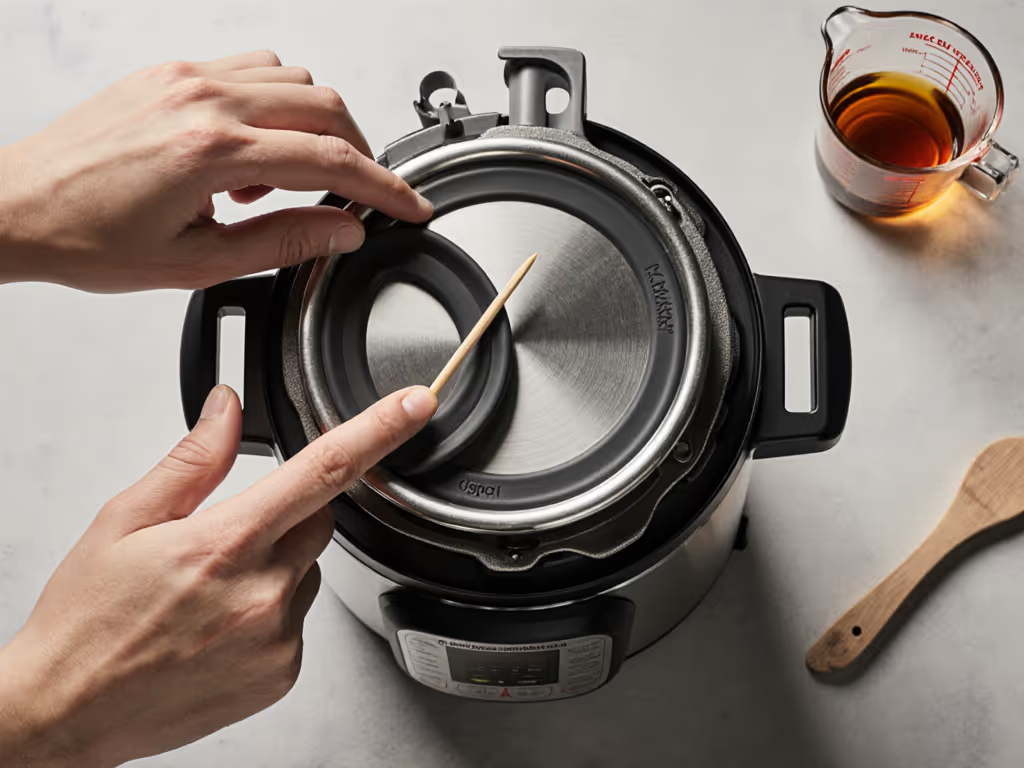
- Gasket seal: Run your finger around the ring. Cracks or stiffness? Replace it. Silicone degrades faster off-grid from temperature swings.
- Vent pipe: Hold the lid toward light. If you can't see daylight through it, debris could trap steam. Unclog with a toothpick (never a metal tool).
- Liquid minimums: Disaster preparedness cooking demands strict adherence. Never use less than 1 cup liquid (even for high-moisture foods like frozen veggies). Steam production is non-negotiable for safe pressure build.
- Fill lines: For beans/grains, stop at the ½-line. Overfilling during survival pressure cooking risks clogs as food expands, exactly what happens when panic sets in.
Clear cautions: Never assume your stove's "low" setting equals safe pressure. Monitor the gauge hourly; wind or altitude shifts require constant adjustment.
How do I avoid burns when releasing pressure off-grid?
Natural release is your only safe option when power's out. Here's your sequence:
- Turn off the heat source the moment the pressure gauge hits the target (usually 15 PSI for stovetop models).
- Walk away, no peeking. Natural release takes 10 to 20 minutes. Use this time to wash utensils.
- Only after pressure fully drops (gauge at zero), tilt the lid away from your body. Steam escapes upward, never toward you.
Slow is smooth, smooth is safe. Rushing release caused 32% of reported off-grid pressure injuries last year (National Outdoor Safety Report, 2024).
Can I trust my pressure cooker for canned goods in emergencies?
No. Never use any pressure cooker (even a portable pressure cooker for emergencies) for canning. They don't sustain the 240°F+ temperatures needed to kill botulism spores. Emergency food storage requires pre-canned goods only. Adding raw meat to home-canned jars in a cooker creates deadly toxin incubators.
My camp stove heat fluctuates. How do I prevent burns or undercooked food?
Track time, not just pressure. Altitude, wind, and stove type change everything:
| Condition | PSI Adjustment | Liquid Increase | Max Fill Line |
|---|---|---|---|
| Above 3,000 ft | +1 PSI | ¼ cup | ½-line (even for meats) |
| Wood fire heat source | Manual gauge check every 5 min | ⅓ cup | ⅓-line for grains |
| Windy conditions | Shield pot with rocks | ½ cup | ½-line |
Key insight: Foaming foods (oats, lentils) need 20% less fill space. If using a portable pressure cooker for emergencies, place it on a stable rock base, not grass, to prevent tipping. If you're cooking above 3,000 feet, follow our high-altitude pressure cooking adjustments for accurate timing and PSI.
Building Your Emergency Routine: Beyond the Checklist
True safety lives in muscle memory. When stress hits, habits override panic. Practice this monthly:
- Dry run: Assemble your cooker with water (no food) using your camp stove. Time the pressure build and natural release. New to pressure cooking? Start with our safe first-time use guide to reinforce core habits.
- Failure drill: Simulate a clogged vent by partially covering the pipe (do not heat!). Practice turning off heat and evacuating, no touching the pot.
- Gear audit: Rotate silicone rings yearly. Store spares in waterproof bags with your emergency kit.
This isn't paranoia. It's how you transform anxiety into agency. That neighbor? She still uses her pre-flight checklist after every blackout. Now it's her way of saying "I've got this."
Your Actionable Next Step
Tonight: Grab your pressure cooker and camp stove. Perform the 90-second pre-flight check without lighting anything. Feel the gasket, inspect the vent, verify liquid minimums. Do it until your hands move without thought. Then text one friend: "Did your pressure cooker safety check today?"
Off-grid cooking isn't about surviving emergencies, it's about retaining dignity when systems fail. When the lights go out, your calm routine is the brightest thing in the room. Slow is smooth, smooth is safe.
Related Articles