Family Pressure Cooking Playbook: Kid-Proven Safety First
By Nia Mbatha • 23rd Nov
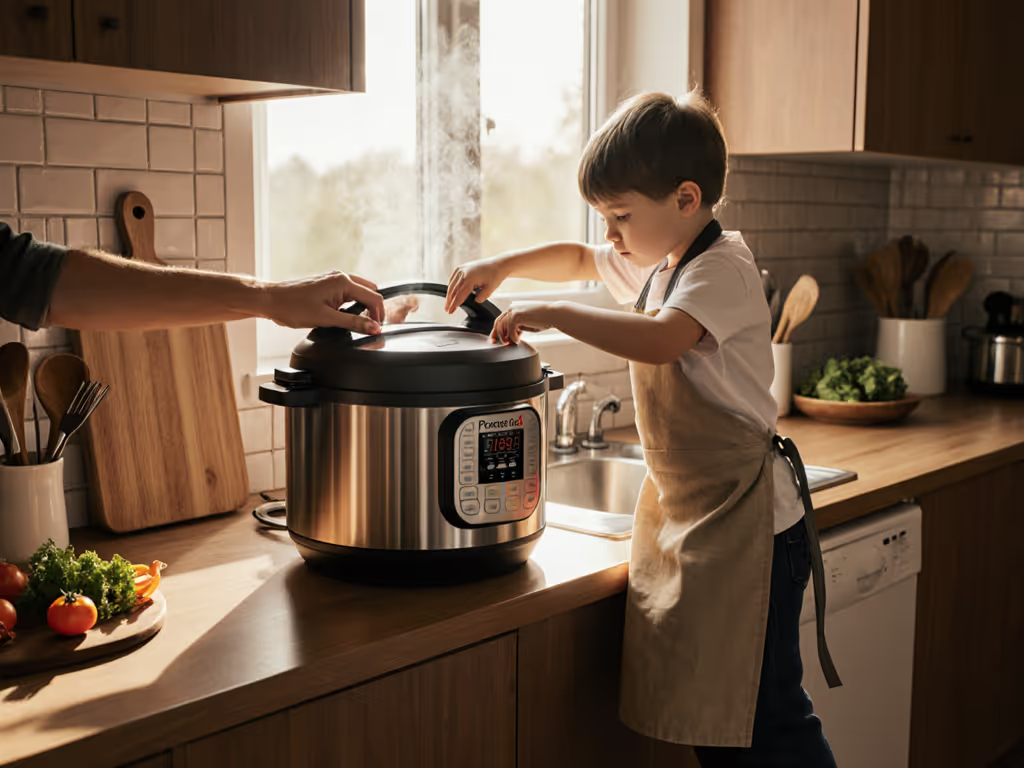
When my nephew (age 6) asked to help make beans for Sunday dinner, I didn't just hand him a measuring cup. I ran through my pre-steam checklist. Family pressure cooking demands systems that protect curious hands while delivering perfect dal. Cooking with kids pressure cooker sessions taught me that safety isn't a feature, it's the foundation. After years of usability testing with diverse families, I've distilled what actually keeps kitchens safe: uncluttered workflows, intuitive feedback, and respect for real-world constraints like small hands or arthritis. Newer cooks can start with our pressure cooker basics safety guide. Because in our house, quiet counts.
Ease-of-use is a safety feature, not a luxury.
FAQ Deep Dive: Your Safety-First Pressure Cooking System
Why is liquid non-negotiable?
Pressure cookers need water to create steam (the physics is non-negotiable). Less than 1 cup (250ml) risks scorching, triggering failure modes like "BURN" errors or safety valve activation. If you see alerts like BURN or overheat, use our pressure cooker error codes guide to fix them fast. For family meal prep activities, I teach kids to measure liquid first using clear cups with grip-friendly handles. Important nuance: longer cooks (like dried beans) need 25% more liquid to account for steam loss. Always check your manual's minimums (many newer models specify exact amounts per capacity). Pro tip: note grip, weight, readability of your measuring tools. If kids struggle to pour steadily, switch to spouted containers.
How do I know it's really safe to open?
This is where most accidents happen. Never force a lid open: wait for all visual indicators, the float valve must drop and steam must stop hissing. I rate display legibility as critical here: if the indicator pin isn't visible from a child's height (or while wearing oven mitts!), skip that model. For child-safe pressure cooking, practice "steam checks" with cold water first: have kids tilt lids away from faces while counting to three. Teach them to listen. A quiet cooker means pressure's fully released. (Quiet counts when ears are sensitive.) Learn when to choose natural vs quick release for safer, better textures.
Can my 10-year-old operate it unsupervised?
Absolutely not, and that's not fearmongering. Safety requires understanding pressure dynamics. Young kids (5-10) can handle pre-pressure tasks: washing veggies, measuring liquid, or setting timers. Tweens (11-13) may manage post-pressure steps under direct supervision: natural release timing, opening lids using the tilt-away method. But no one under 14 should initiate pressurization. Why? Steam burns at 250°F (hotter than oven elements). Always position cookers away from walkways, and choose a model with cool-touch exteriors like the Instant Pot® Duo™ Mini.
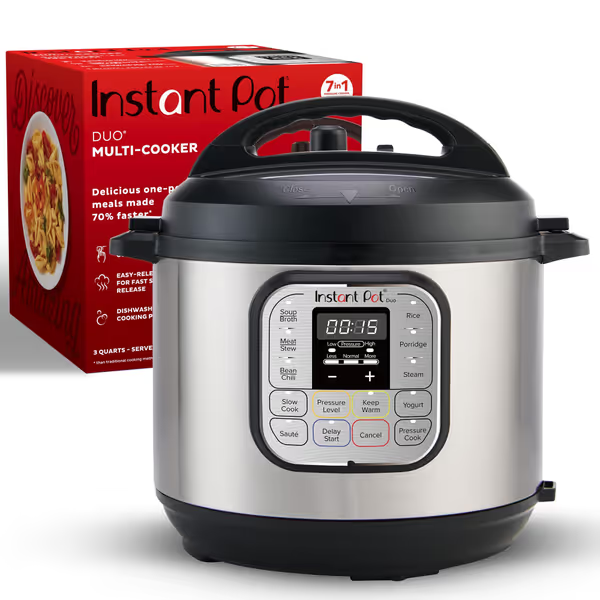
Instant Pot Duo Mini 7-in-1
Compact, versatile Instant Pot simplifies meal prep for small households.
$54.99
Capacity3-Quart
Capacity3-Quart
Pros
7 functions in one: Pressure cook, slow cook, steam, rice, yogurt & more.
Cooks 70% faster; stainless steel pot for easy searing.
Easy cleanup: Dishwasher-safe lid and inner pot.
Cons
Smaller capacity limits large batch cooking.
Customers find this pressure cooker to be a great kitchen appliance that's super easy to use and makes life easier. The appliance works well, with one customer highlighting its yogurt function, and customers appreciate that it can cook frozen meats and make bone broth. They like that it's easy to clean, with only one pot to wash, and consider it worth the price.
Customers find this pressure cooker to be a great kitchen appliance that's super easy to use and makes life easier. The appliance works well, with one customer highlighting its yogurt function, and customers appreciate that it can cook frozen meats and make bone broth. They like that it's easy to clean, with only one pot to wash, and consider it worth the price.
How do I teach food safety without scaring them?
Focus on empowering actions, not risks. Show kids why we use thermometers: insert one into a cooked chicken breast while explaining "This number tells us it's safe to eat, like a superhero signal!" Stress USDA guidelines: poultry hits 165°F, fish 145°F. For kid-friendly pressure recipes like taco meat, let them "check the hero number" with supervision. Cleanup steps and soil resistance matter here too: dishwasher-safe pots reduce cross-contamination risks during washing. Never skip thermometer checks, even if "the app said it's done."
Which release method is safest with kids around?
Natural release (letting pressure drop slowly) wins every time in family kitchens. It's quieter, eliminates steam jet risks, and prevents "sputter" when opening. Reserve quick release only for emergencies (like forgotten timers), and always have kids stand back while you operate the valve. Teach them: "If you hear hissing, pressure's still building, never touch the lid!" I've rejected models where the release valve requires awkward wrist angles; ergonomic design prevents slips. Quiet counts in reducing auditory stress during release.
How do I handle cleanup without gasket trauma?
Odor retention in silicone rings terrifies new users, but it's fixable. After making curry, I show kids our 3-step ritual: 1) Remove ring immediately (it stretches easier when warm), 2) Soak in vinegar-water mix while singing "cleanup song," 3) Air-dry separate from lid. Rate display legibility here: if your model hides the ring groove, skip it. Dishwasher-safe components (like the Instant Pot Duo Mini's stainless pot) cut cleanup steps and soil traps. Teach kids that sticky residue = failed safety check, replace rings annually or when stiff. For step-by-step upkeep, follow our pressure cooker maintenance guide.
What's the #1 safety habit families overlook?
Pre-use inspections. Before every cook, run the "glove test":
- Check gasket for cracks (like testing winter gloves for leaks)
- Clear steam vents with a toothpick (no clogs!)
- Verify lid locks smoothly
This ritual takes 30 seconds but prevents 90% of incidents. Make it a family game, kids earn "Safety Captain" badges for spotting issues. It's how I learned that my aunt's arthritic hands couldn't twist older lids; her comfort decided what "easy" really meant.
Building Your Safety-First Playbook
Start with these non-negotiables:
- Liquid minimums: Always +25% for bean/grain dishes
- Thermometer use: Non-optional for proteins
- Age-tiered tasks: Match jobs to motor skills
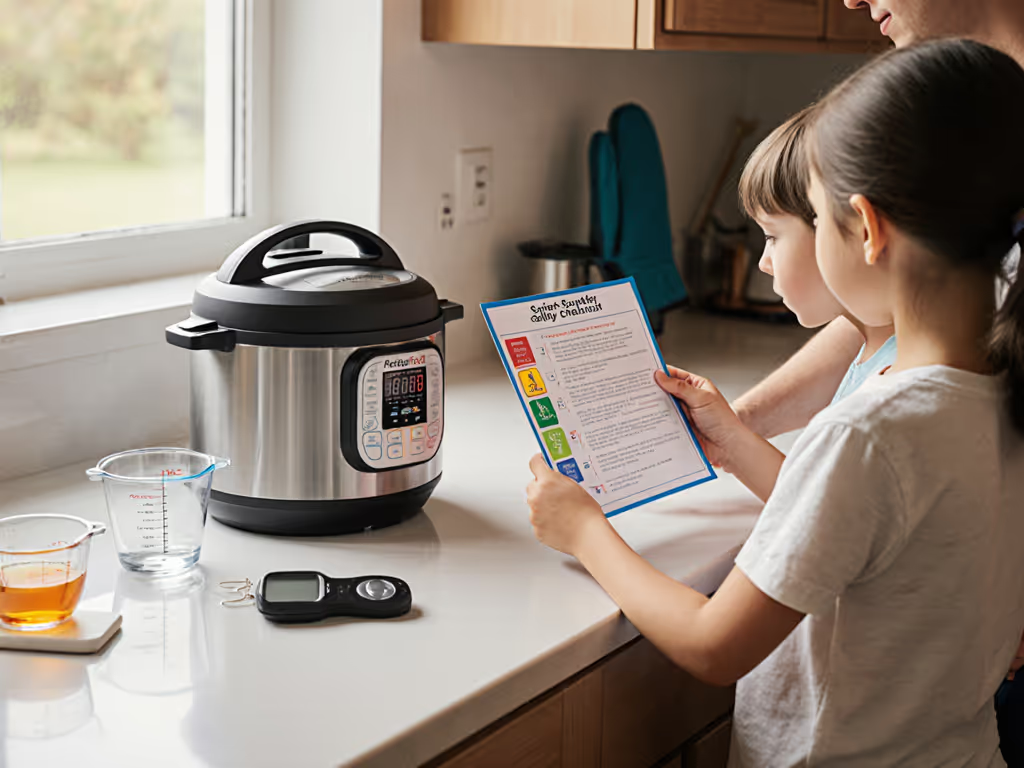
- Pre-use checklist: Make it visible (fridge magnet!)
The goal isn't just dinner, it's raising humans who cook with confidence. When kids learn that clear displays and quiet valves aren't "nice-to-haves" but safety requirements, they carry that mindset into all kitchens. Try our free "Family Pressure Check" printable (with visual cues for pre-steam checks) and share your kitchen wins with #SafetyFirstCooking.
Further Exploration: Scan the QR code for our culturally adapted cook times chart (tested across 8 stovetop/electric models at altitudes 0-7,000 ft). Includes fail-proof basmati rice, black beans, and collagen-rich bone broth for picky eaters. Cooking above 3,000 feet? Use our high-altitude pressure cooking guide for precise adjustments.
Related Articles