Pressure Cook Plant-Based Milk: Safety & Technique
By Samira Haddad • 23rd Mar
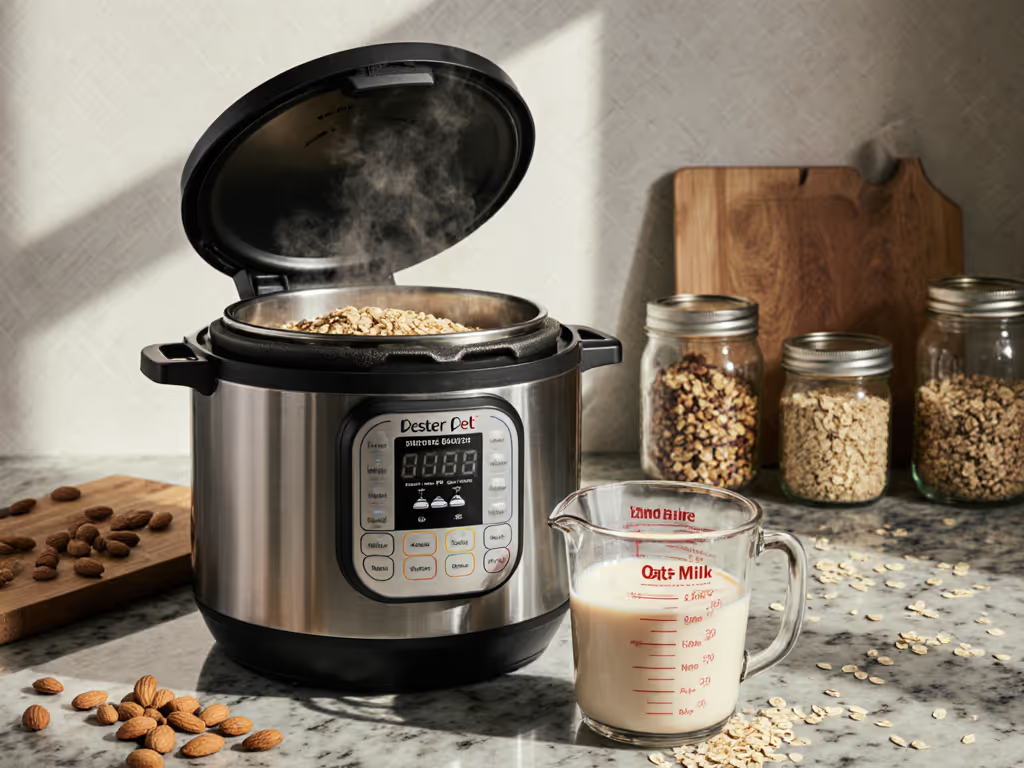
The Direct Answer: What You Actually Need to Know
You cannot safely pressure cook or can milk (dairy or plant-based) at home using common home-canning methods. For a quick primer on how PSI and safety valves really work, read our pressure cooker safety valves guide. The search for tested, USDA-approved recipes yields nothing, and for good reason: botulism spores survive temperatures that home canners reach[1]. However, milk can be safely used in pressure cooking when added after the process finishes, and plant-based dairy alternatives can be made safely using conventional kitchen methods, not pressure cooking[2]. This article walks through the real safety protocols and practical techniques so you can work with dairy alternatives confidently, without the myths or shortcuts.
FAQ: Pressure Cooking & Plant-Based Milk
Why Can't You Pressure Cook or Can Milk at Home?
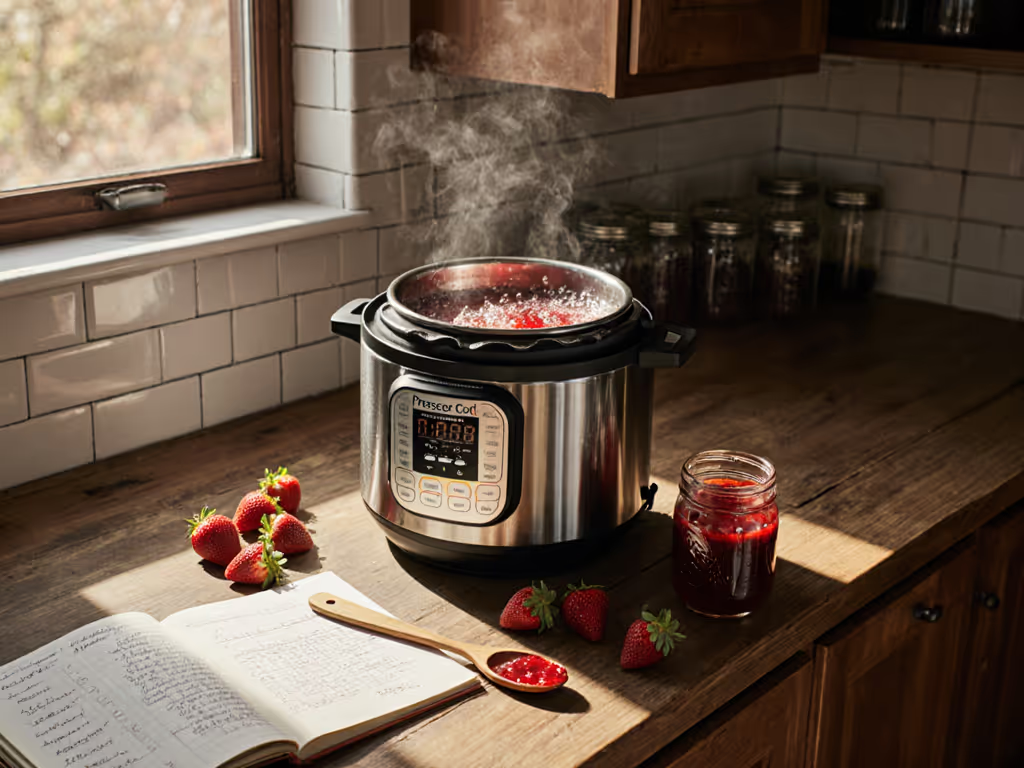
The gap between home and commercial processing is the problem. Commercial canned milk is heated to 230-248°F for 15-20 minutes, a precision few home canners match[1]. Most online "rebel canning" instructions (bringing pressure to 5 pounds and turning off heat) reach only barely above boiling inside the jars[1]. That's hot enough to kill mold and lactobacillus, but botulism spores need at least 240°F to die[1]. In an anaerobic jar, botulism thrives if spores are present, and the danger isn't visible: no smell, no taste, no sign of spoilage[1].
The USDA and National Center for Food Preservation have published no safe tested recipes for home milk canning[1]. That absence is not an oversight, it's a boundary.
What About Electric Pressure Cookers and Dairy?
Electric pressure cookers require extra caution with dairy and cheese products[2]. The guidance from official extension services is clear: use caution, or avoid dairy entirely unless making yogurt[2]. If you do add dairy, the safe method is to add milk or cheese after pressure cooking ends, using the sauté function to stir it in gently[2]. This avoids the risk of curdling, scorching, and the foaming that can clog steam vents, a leading cause of pressure-cooker malfunctions. If you suspect a venting issue, follow our steam leak troubleshooting guide.
Milk goes in after pressure cooking finishes, never before.
If you're making yogurt in a pressure cooker (a different process altogether), follow your appliance's specific yogurt program. Don't improvise. For consistent results, choose a model with precise fermentation temperatures from our best pressure cookers for yogurt.
Can You Make Plant-Based Milk in a Pressure Cooker?
Not in the conventional sense. Plant-based milk production (soaking, milling, and filtering plant sources like soy, oats, or coconut) does not require pressure cooking[3]. Commercial production uses filtration methods (membrane, ultrafiltration, centrifugation) to achieve smoothness and remove particles[3]. Home production is simpler: soak, blend, strain through cheesecloth or a fine mesh, and refrigerate.
Pressure cooking might soften grains or legumes faster before blending, but it's not the safe or necessary step in milk-making. Stick to room-temperature soaking and blending.
Pre-Flight Checklist: Using Any Dairy in a Pressure Cooker
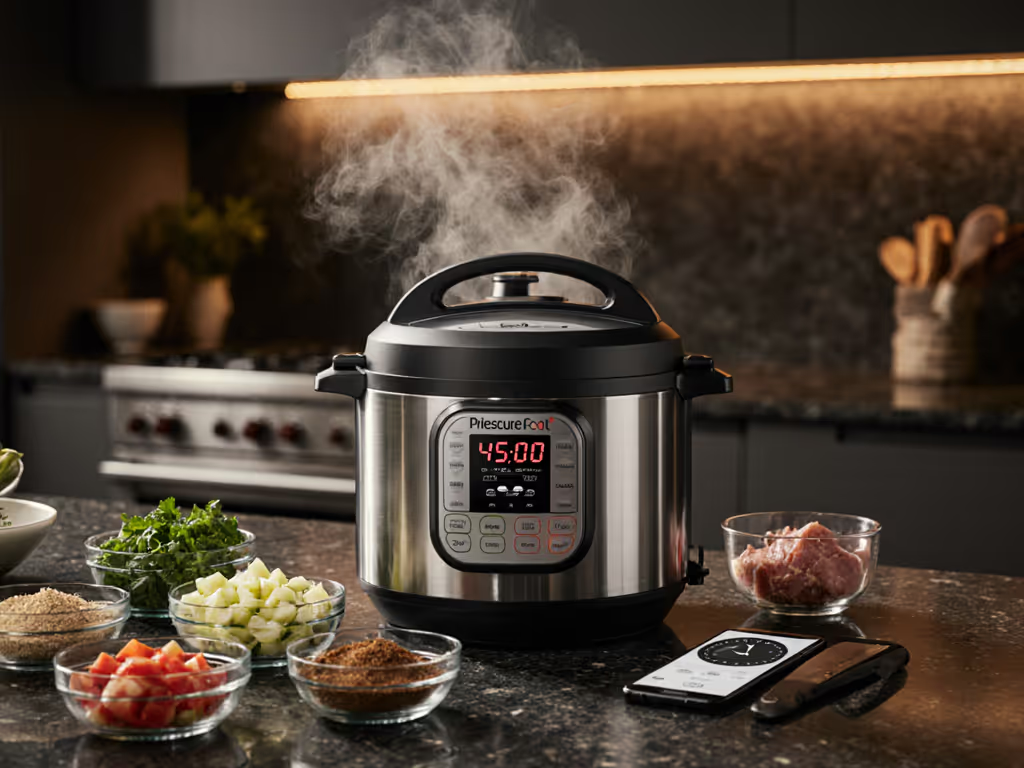
If you're adding milk or cream after pressure cooking (the only safe time), follow this routine before every cook:
- Gasket and float valve: Inspect the rubber sealing ring for cracks, stickiness, or residue. A sticky float valve was the culprit in a neighbor's scorched chickpea disaster (a two-minute check stopped the drama). Replace both annually or per manufacturer guidance. For full upkeep steps, see our pressure cooker maintenance guide.
- Vent pipe: Clear any debris. Milk proteins can foam and clog vents if dairy is added too early; preventing the clog is easier than troubleshooting it mid-cook.
- Water level: Use the minimum liquid line marked inside the pot. Dairy products add volume; start with less broth than you think you need.
- Pot size: Do not exceed the "max fill" line (usually two-thirds capacity). Dairy foams; overfilling invites steam vent clogs.
- Manual: Read your appliance's dairy guidance. Electric and stovetop models have different safety profiles; your manual is the final word.
Actionable Workflow: Cooking with Dairy Safely
Step 1: Pressure Cook Without Dairy
Plan your recipe so that all high-pressure cooking, beans, grains, tough cuts, finishes first. Use water, broth, or coconut milk (canned, not fresh) that you've already opened. Pressure cook at the time and pressure your recipe calls for. Natural release or quick release as directed.
Step 2: Vent and Check
Once the float valve drops and the lid opens freely, turn off the heat. Wait 30 seconds. This is not optional: slow is smooth, and smooth is safe.
Step 3: Add Dairy
Turn the burner to sauté mode (or low heat on stovetop). Pour in cold or room-temperature milk, cream, or yogurt slowly, stirring constantly. Avoid vigorous boiling; gentle warmth prevents scorching and curdling. Stir for 1-2 minutes, then taste and adjust seasoning. Do not return to pressure.
Step 4: Serve or Store
If eating immediately, ladle into bowls. If storing, cool to room temperature first, then refrigerate in airtight containers (max 4 days for dairy-enriched dishes).
Making Plant-Based Milk at Home: The Safe Approach
If your goal is to have fresh, homemade plant-based dairy alternatives on hand, pressure cooking is not involved. Here's the standard method:
Soy Milk, Oat Milk, or Coconut Milk Base:
- Soak raw ingredient (1 cup soy beans, steel-cut oats, or shredded coconut) in filtered water for 4-8 hours at room temperature. Drain.
- Blend soaked ingredient with 3-4 cups fresh water (or water + a pinch of salt) in a high-powered blender for 60-90 seconds.
- Strain through cheesecloth or a fine mesh strainer into a bowl. Squeeze to extract liquid; discard solids (or save for baking).
- Heat gently (optional): Pour into a pot and warm to 160°F to inactivate anti-nutrients in soy, but do not boil. Cool before storing.
- Refrigerate in a clean glass jar. Use within 5 days.
Why This Works: Filtration and gentle heating remove grit and unwanted flavors without pressure. The result is smooth, creamy, and safe. No botulism risk. No mystery temperatures. No canning.
Why This Matters: Safety Is a Sequence, Not a Warning Sticker
The reason this guidance exists is not to limit your kitchen creativity, it's to remove a real hazard. Botulism is rare in home kitchens, and most people who pressure cook milk over years without incident get lucky, not confident. Confidence comes from following tested methods, checking your equipment before each use, and understanding why each step exists.
A routine (gasket, valve, water level, post-pressure vent) takes two minutes and erases the guesswork. Your neighbor's chickpea pot taught me that. The sticky float valve wasn't a hidden fault; it was a sign she needed a pre-flight checklist, not a warning label.
Your Next Steps
This week:
- Read your pressure cooker's manual and highlight the dairy guidance.
- Inspect your gasket and float valve. If either shows wear, order a replacement (most cost $10-20).
- If you want plant-based milk, buy one fresh carton from the store and use it to test the safe post-pressure workflow, add it after cooking, via sauté mode.
If you pressure cook regularly:
- Write a two-line pre-flight checklist on a sticky note and tape it to your stovetop or appliance. Gasket. Vent. Water. Done.
- Keep a simple log of what you cook, times, and results. Patterns emerge; adjustments become easier.
If you want to make plant-based milk at home:
- Start with oat milk, it's forgiving, cheap, and ready in 10 minutes. Strain well for smoothness.
- Use filtered water and store in glass jars in the coldest part of your fridge.
- Plan for 5-day turnover; batch weekly if you use it daily.
Safety is built from habits, not hope. Start small, check twice, and trust the process.
Related Articles