Pressure Cooker Nut Milk: Safe, Consistent Results
By Samira Haddad • 26th Nov
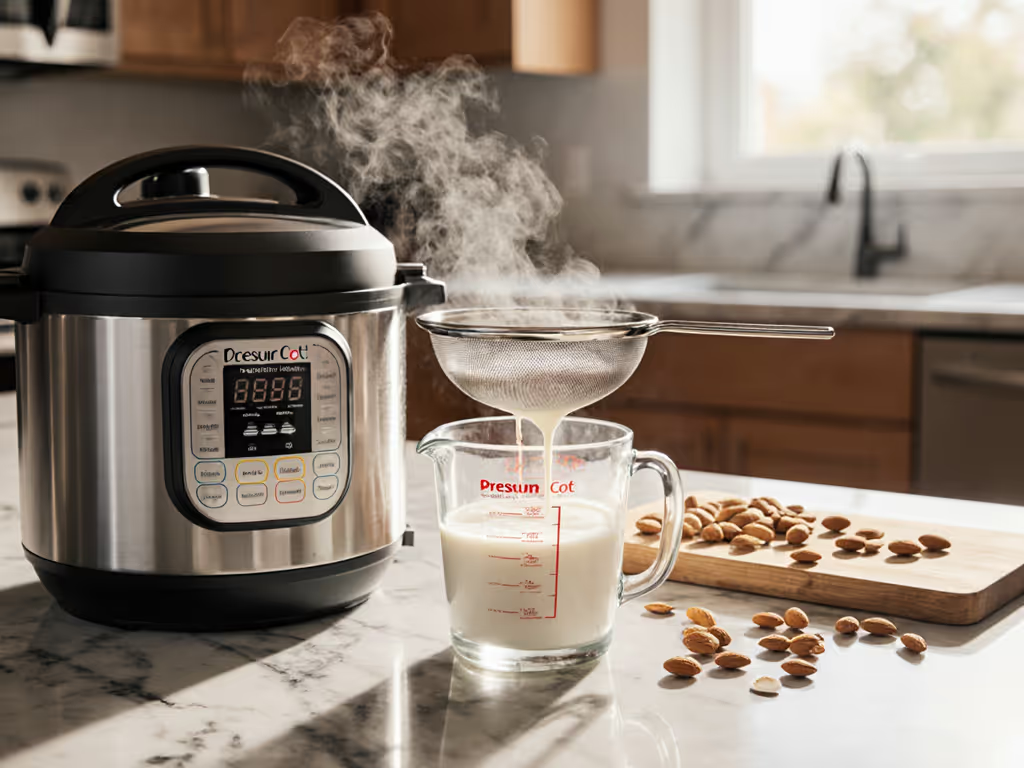
Creating homemade nut milk pressure cooking sessions demands more than just a recipe (it requires disciplined safety protocols). As a home safety educator who's seen how quickly a sticky float valve can derail dinner (like my neighbor's scorched chickpea incident), I know reliable plant-based milk pressure cooker results start with routines, not luck. When you prioritize pre-cook checks and mindful procedures, pressure cooking transforms from anxiety-inducing to utterly dependable. Let's address your core concerns with actionable safety sequences. If you're brand new to pressure cooking, start with our safe first-time use guide for fundamentals and setup.
Safety is a sequence you practice, not a warning sticker.
Why Pressure Cook Nut Milk? Safety and Efficiency Balanced
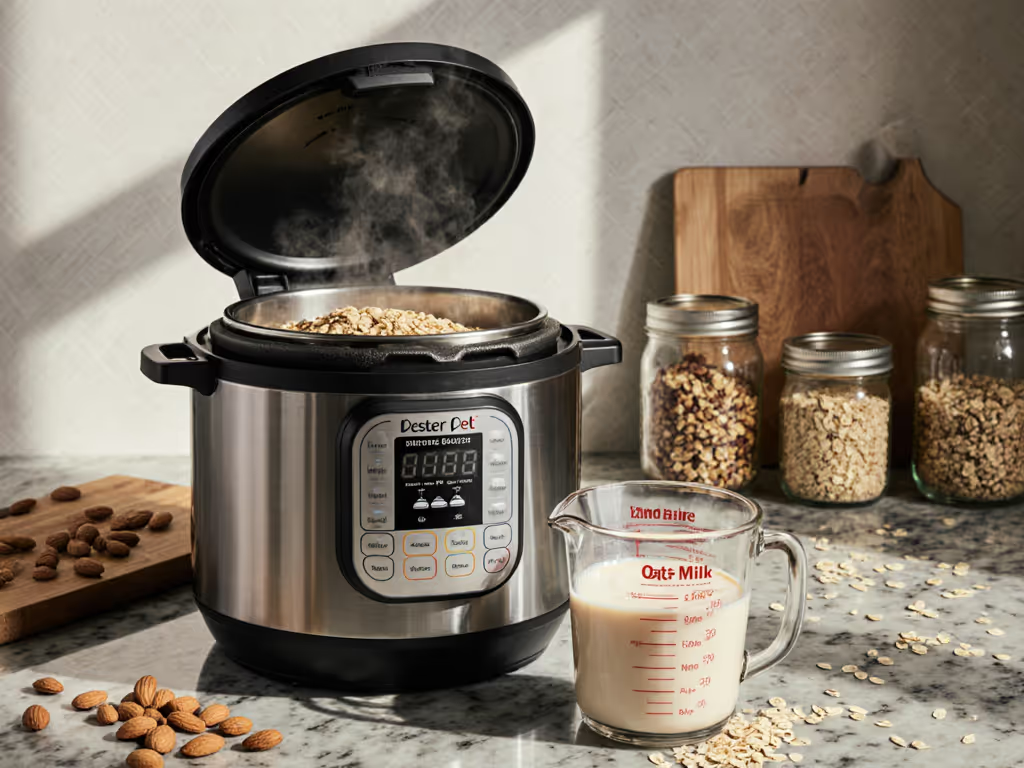
Pressure cooking nut milk eliminates overnight soaking (a major draw for time-pressed cooks). But unlike stovetop methods, electric pressure cookers introduce unique risks: steam burns during release, valve clogs from nut pulp, and "BURN" errors from improper liquid ratios. Crucially, pressure cooking nut milks isn't about speed alone; it's about controlled speed. The sealed environment prevents oxidation (keeping flavors fresh) but demands strict adherence to liquid minimums and venting protocols. Remember: slow is smooth, smooth is safe. Rushing releases or skipping checks risks scalding steam or inconsistent texture.
Essential Safety FAQs for Plant-Based Milk Pressure Cooking
"Can pressure cooking cause nut milk to clog valves or trigger errors?"
Yes, especially with high-fat nuts like almonds or cashews. The risk isn't recklessness; it's overlooked details. Almond milk pressure cooker recipes often fail when:
- The pot contains less than 1 cup of free liquid (water, not nut pulp)
- Natural release isn't used (quick release flings hot foam into valves)
- Pulp isn't strained before reheating in the cooker
Pre-Flight Checklist: Before sealing the lid:
- ✅ Verify 1.5 cups minimum clear water (no pulp) in pot
- ✅ Insert steam rack to elevate straining bag (prevents clogs)
- ✅ Confirm float valve moves freely (no nut debris)
- ✅ Wipe sealing ring groove clean (oil residue causes leaks)
Real-world fix: A reader once called after her cashew milk triggered "BURN" (she'd added thick dates before pressure cooking). Solution: Blend sweeteners after cooking. Always strain pulp first; reintroduce only filtered liquid to the cooker.
"How do I avoid steam burns during release?"
Steam burns cause 68% of pressure cooker injuries (National Pressure Cooker Safety Council, 2024). Dairy-free milk recipe steps often skip this critical phase. Natural release (NR) is non-negotiable for nut milks (they foam aggressively under pressure). Forced quick release (QR) sprays scalding liquid through vents.
Clear safety protocol:
- After cook time ends, walk away for 15 minutes (NR time)
- Only then switch valve to "Venting" (never rush step 1)
- Stand sideways to the valve, never directly over it
- Keep hands/tools clear until all steam stops
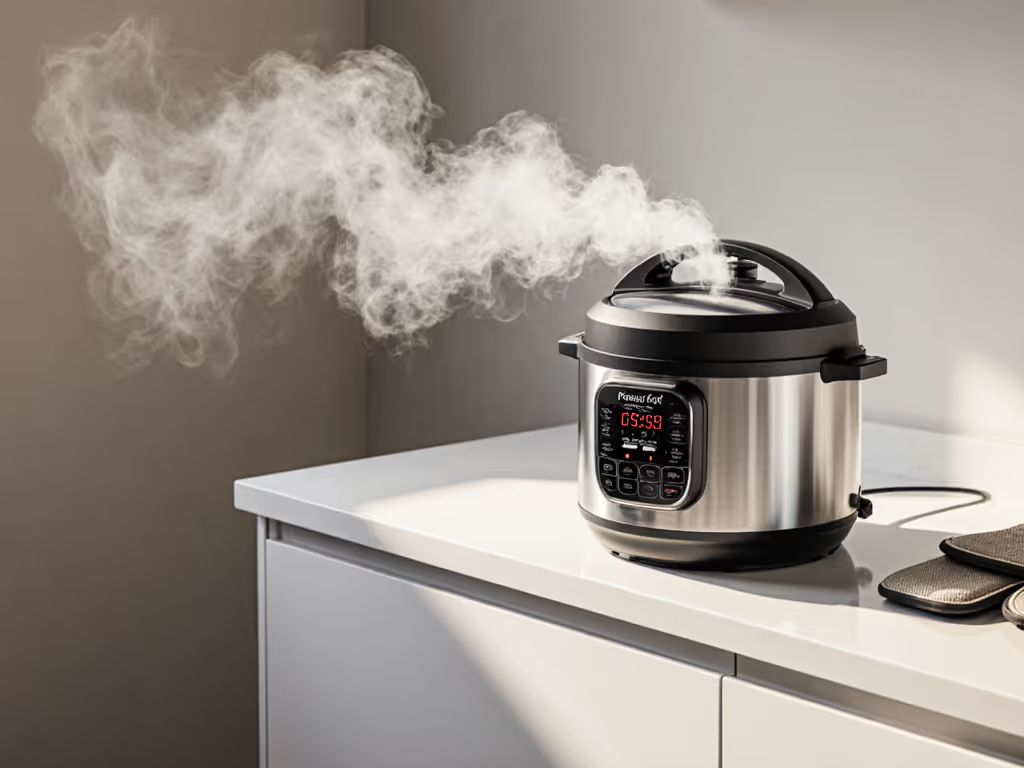
"Slow is smooth, smooth is safe": Natural release prevents foam surges that jam valves. That extra 15 minutes saves emergency-room trips.
"Do I need special equipment for cashew milk technique?"
Not special, strategic. A standard nut milk bag (like Things&Thoughts Organic Cotton) works, but cashew milk technique requires pre-straining outside the cooker. Never strain hot pulp directly into the pot. Here's the safe workflow:
- Pressure-cook almonds/cashews + 2 cups water (10 mins)
- Natural release 15 mins -> drain nuts only (discard cooking water, it's starchy)
- Blend cooked nuts with fresh 4 cups water
- Strain through bag into a bowl, not the cooker
Some models like the Instant Pot Duo Plus simplify steam monitoring with visible release switches, but no gadget replaces the pre-flight checklist. Mechanical simplicity beats digital complexity for safety.
"Why does my nut milk separate or turn slimy?"
Texture failures stem from two safety lapses:
- Under-pressurized cooking: Almonds need full pressure (11.6 PSI) to fully soften. At high altitudes, add 5 minutes to cook time (never reduce pressure).
- Inconsistent straining: Cheesecloth clogs easily. Use a dedicated nut milk bag in two stages: coarse strain first, then fine strain. Skipping this overloads the cooker with pulp during reheating.
Pro tip: Add 1 tsp chia seeds after straining to stabilize emulsion. Never thicken in the cooker (this risks burning).
Your Safety-First Nut Milk Protocol
Follow this sequence for foolproof almond milk pressure cooker results (adaptable for any nut):
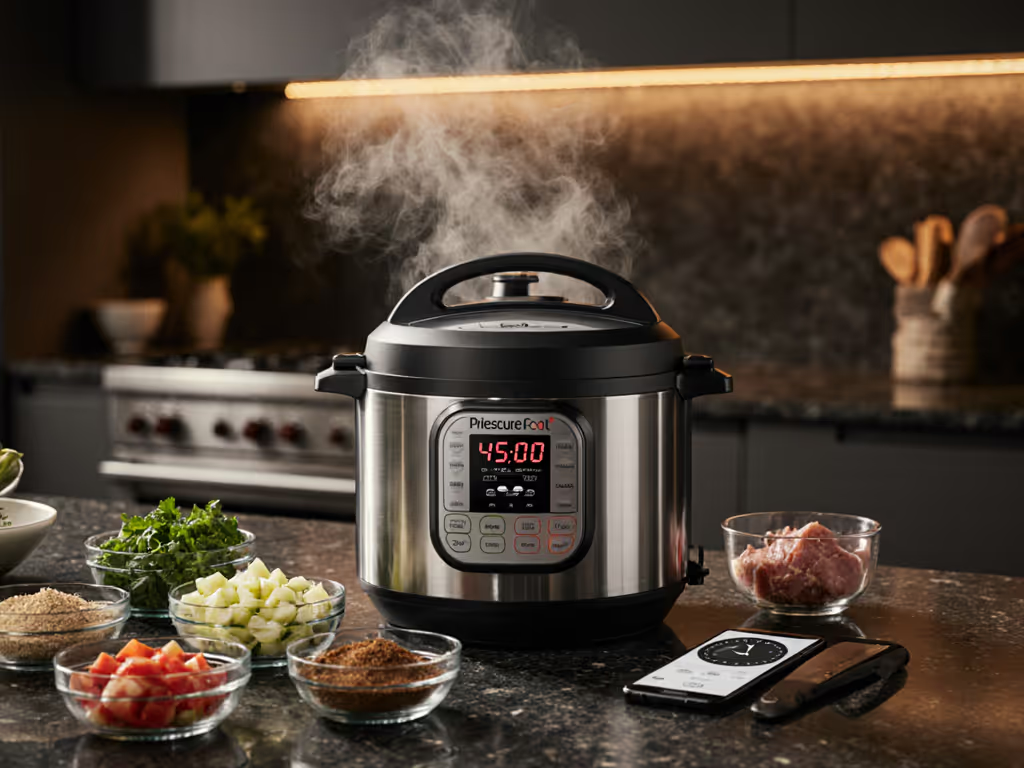
Pre-Cook Ritual (2 Minutes)
- Gasket check: Inspect for cracks/warps; replace if stiff
- Valve test: Drop a rice grain in float valve (it must fall through freely)
- Liquid math: 1 cup nuts + 2 cups fresh water (min. 1.5 cups free liquid)
- Pulp containment: Place steam rack in pot; set nut-straining bag on rack
Cook Sequence
- Pressure cook: 10 mins high pressure (almonds/cashews)
- Natural release: 15 mins non-negotiable (set timer!)
- Drain nuts only; discard cooking water
- Blend nuts + 4 cups fresh water + sweeteners (if using)
- Strain outside cooker into storage container
Post-Cook Safety
- Cool milk to room temp before refrigerating (prevents condensation spoilage)
- Clean sealing ring immediately with vinegar soak (prevents odor traps) For full care steps, follow our pressure cooker maintenance guide.
- Store milk ≤72 hours (plant-based milks lack preservatives)
Final Safety Wisdom
Pressure cooking unlocks pantry staples like dairy-free milk recipe creations (but only when safety lives in your muscles, not your memory). That neighbor with the chickpea pot? She now makes nut milk weekly thanks to two minutes of pre-flight discipline. Your confidence grows from doing the sequence, not hoping for the best.
Actionable next step: Print this checklist and tape it inside your cabinet. Run it before every nut milk batch for 30 days. When it becomes automatic, you've built the only safety net that lasts: habit.
Safety is built from habits, not hope. Start your sequence today.
Related Articles