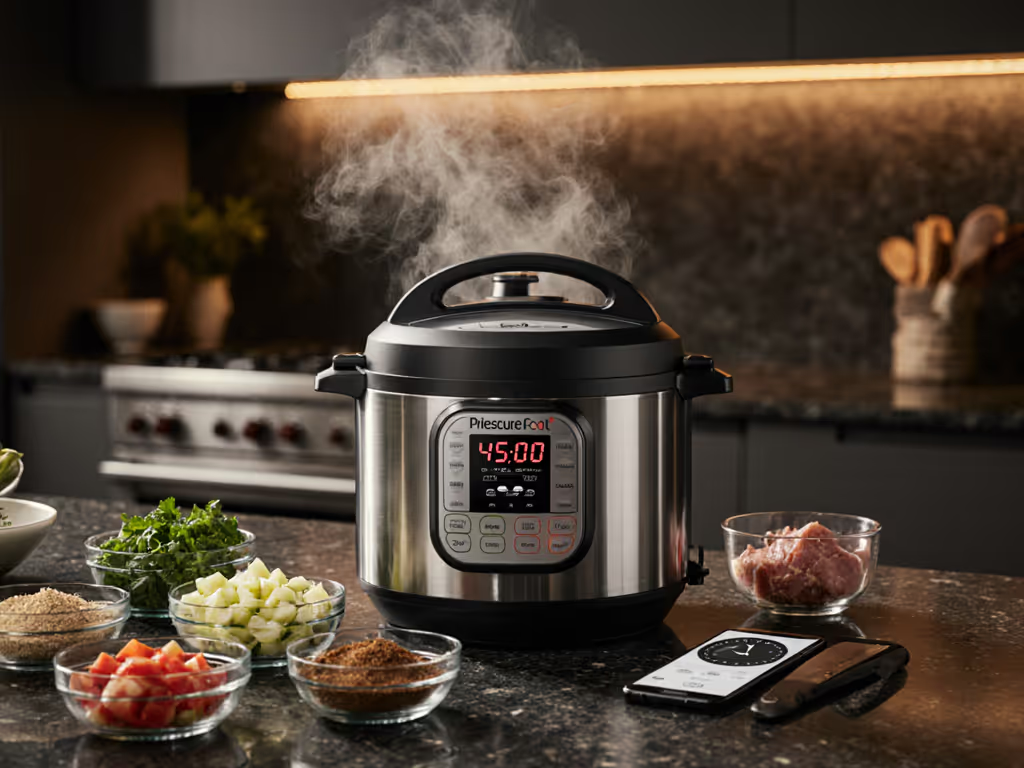
Sous Vide in Pressure Cookers: Safe Water Bath Technique
By Samira Haddad • 16th Jan
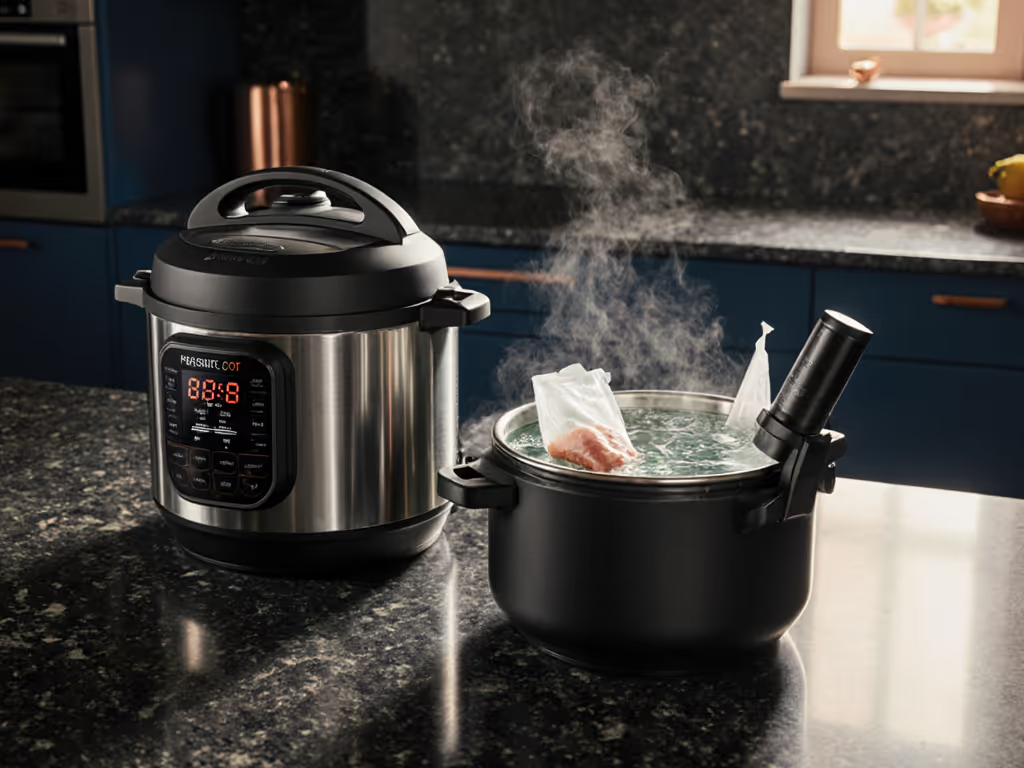
When exploring sous vide pressure cooking, it's vital to understand that a multi use pressure cooker can safely serve as a water bath vessel only when used without pressure activation. This distinction protects against dangerous misconceptions, because pressure cookers lack the precise thermal regulation required for true sous vide, but their sturdy construction makes them ideal passive containers for temperature-controlled water baths. If you're new to pressure cookers, start with our safe first-time use guide for core safety fundamentals. Let's clarify this critical safety boundary before addressing technique.
Why "Sous Vide Pressure Cooking" is a Misnomer
True sous vide requires maintaining water within ±0.5°F (0.3°C) of target temperature for extended periods, a feat impossible for pressure cookers operating under pressure. As confirmed by culinary science research, pressure cooking relies on steam saturation at 15+ PSI to reach 250°F+, while sous vide demands zero pressure at carefully calibrated low temperatures (typically 130-190°F). Attempting sous vide using pressure creates two hazards: unpredictable thermal spikes from steam injection and potential lid seal failure during extended cooks.
safety is a sequence you practice, not a warning sticker
Your pressure cooker becomes a safe sous vide vessel only when:
- Operating in its ambient mode (no pressure function engaged)
- Paired with a dedicated immersion circulator for temperature control
- Used strictly as a passive water container (not a heating or pressurizing appliance)
The Safe Water Bath Technique: 4 Critical Steps
Adopt this checklist-derived protocol to eliminate risk. Slow is smooth, smooth is safe, and rushing any step compromises thermal consistency.
Pre-Flight Equipment Check
- Verify container integrity: Inspect for cracks or warping (common in older models after repeated heating cycles)
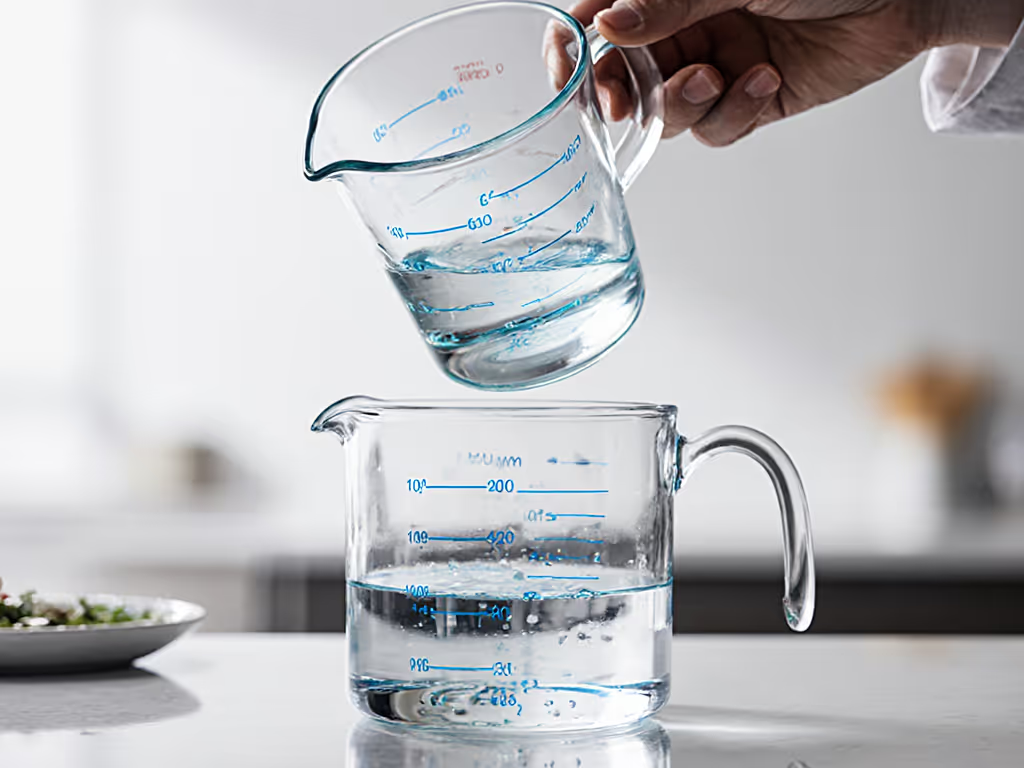
- Confirm water capacity: Fill to manufacturer's minimum line but never exceed ⅔ full (critical for circulation space)
- Test immersion circulator: Ensure submersion depth meets device requirements (usually 2+ inches below waterline)
- Secure the vessel: Place on a heat-resistant surface (never directly on cold countertops where thermal shock could occur) For long-term safety, follow this maintenance checklist to catch wear before it becomes a risk.
Step 1: Water Displacement Sealing Method
Skip vacuum sealers; use the proven water displacement technique:
- Place food in a BPA-free freezer bag, leaving 1" unsealed
- Slowly lower the bag into room-temperature water before connecting the circulator
- Water pressure forces air out through the open seal
- Seal completely once the food is fully submerged
Clear caution: Never use this method with hot water. Steam could melt seals or cause burns during displacement.
Step 2: Bag Submersion Protocol
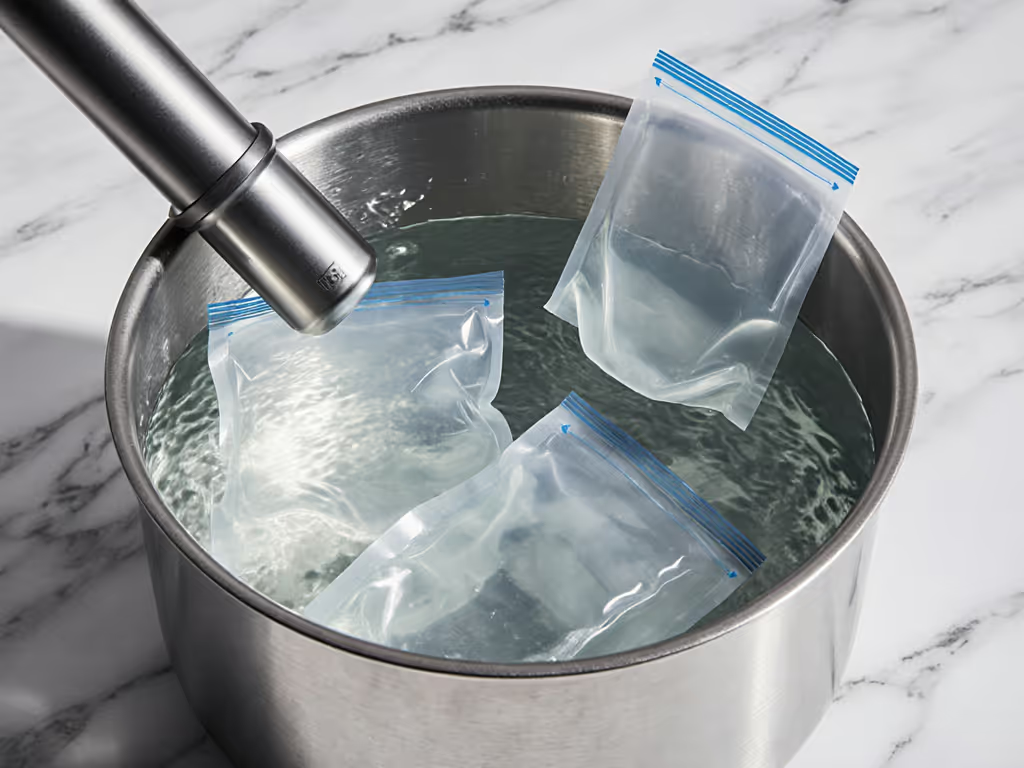
Floating bags cause uneven cooking, a frequent failure point. Prevent this with:
- Weights: Clip a stainless steel spoon to bag corners (avoid lead weights)
- Rack restraint: Position a perforated trivet across the pot to pin bags below the waterline
- Bag placement: Arrange flat against pot walls, not stacked (allow 1" between bags for water flow)
Data point: Temperature differentials exceeding 2°F can occur in partially submerged bags, per Journal of Culinary Science studies. For gear that keeps bags fully submerged, see our must-have accessories guide.
Step 3: Temperature Control Validation
Your pressure cooker's thermostat cannot regulate sous vide temps. Instead:
- Attach the immersion circulator after filling the vessel
- Set the circulator to the target temp (e.g., 134°F for medium-rare steak)
- Verify stability with a secondary thermometer for 15 minutes pre-cook
- Cover the bath with foil to reduce evaporation during long cooks (e.g., 24-hour short ribs)
Addressing Critical Safety Concerns
"Won't Water Evaporation Cause Overheating?"
Yes, this is why evaporation management is non-negotiable. For cooks exceeding 4 hours:
- Pre-fill 20% above the minimum line
- Cover the bath with a tight-fitting lid or foil
- Check water level hourly; only add room-temperature water if the level drops below the circulator's minimum requirement
"Are Immersion Circulators Safe in Metal Pots?"
Absolutely, if you follow electrical safety protocols:
- Ensure the circulator's cord stays clear of water
- Use GFCI-protected outlets (mandatory for kitchen water appliances)
- Never leave unattended during the first 30 minutes of operation
Altitude Adjustments
At elevations >2,000 ft:
- Increase target temperature by 1°F per 1,000 ft (water boils at lower temps)
- Extend cook time by 15% (e.g., 69 min instead of 60 for chicken breast)
- Validate doneness with an instant-read thermometer regardless of timer For detailed elevation math and timing protocols, use our high-altitude pressure cooking adjustments.
Building Your Safety Habit
Recall my neighbor's scorched chickpeas, not from recklessness, but a missed pre-flight step. Today, her sous vide routine begins with two minutes of focused checks: water level, circulator placement, bag submersion. Confidence lives in routines, not luck.
safety is a sequence you practice, not a warning sticker
Actionable Next Step: Create Your Personalized Checklist
Tonight, before your next cook:
- Write your 4-step protocol on a waterproof card
- Tape it inside your pressure cooker lid
- Perform all pre-flight checks before adding water
This habit transforms anxiety into agency. You'll never wonder "Did I secure the bags?" or "Is the water level safe?", because the sequence becomes automatic. True precision cooking isn't about gadgets; it's about the discipline to honor each step.
Remember: Your pressure cooker's value in sous vide lies solely in its structural reliability (not its pressure capabilities). Respect that boundary, practice your sequence, and you'll achieve restaurant-quality sous vide meat recipes with absolute confidence. When exploring temperature control techniques, never normalize shortcuts with water and heat. Slow is smooth, smooth is safe.
Related Articles